
How to Choose the Best Solar Power Bank for Backpacking in 2026: The Ultimate Guide
Choosing the right solar power bank for backpacking in 2026? Our ultimate guide covers capacity, solar efficiency, durability, and key features. Make an informed decision for your adventures. Keywords: solar power bank for backpacking, best solar charger 2026, portable solar power bank, how to choose solar power bank, lightweight solar charger,
GUIDES & HOW-TO'S
9/24/20254 min read
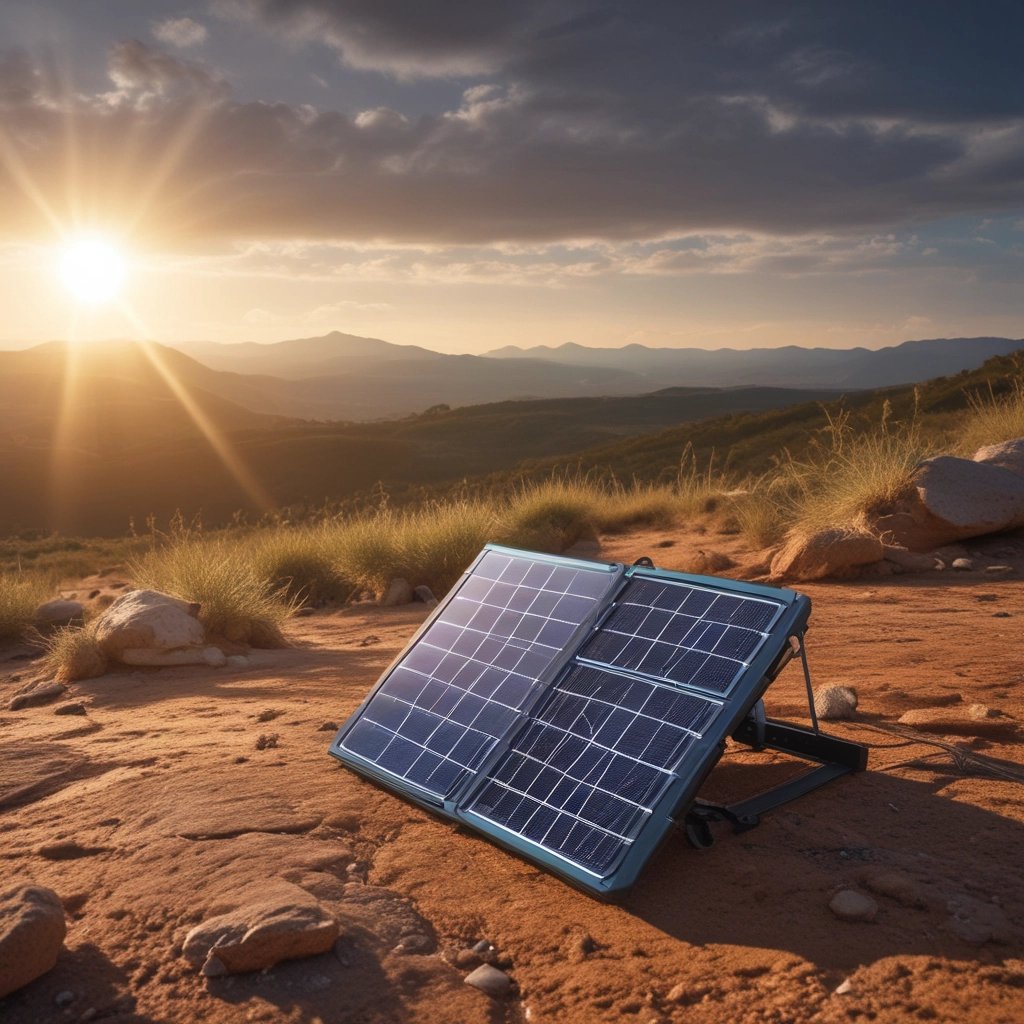
Introduction: Why Your Backpacking Power Solution Matters More Than Ever
Picture this: You're three days into a remote backpacking trip, surrounded by breathtaking vistas. You pull out your phone to capture the moment or check your GPS—only to see that dreaded low-battery icon. In 2026, being off-grid doesn't mean being offline, but it requires smart power management. A reliable solar power bank has become as essential as a good pair of hiking boots for the modern backpacker.
But with hundreds of options on the market, how do you choose the right one? This comprehensive guide will walk you through every consideration—from technical specs to real-world performance—ensuring you select the perfect solar power bank for your adventures.
Understanding Your Actual Power Needs: It Starts With Capacity
What Does mAh Really Mean?
mAh (milliampere-hour) indicates a battery's energy storage capacity. A 10,000mAh power bank can theoretically supply 1,000mA for 10 hours. But here's the catch: not all capacity is created equal.
Calculating Your Real-World Requirements
Device Inventory: List all devices you'll carry (phone, GPS, camera, headlamp, etc.)
Battery Capacities: Find each device's battery capacity (e.g., iPhone 15: 4,300mAh)
Usage Pattern: Estimate how many charges you'll need between power sources
Safety Margin: Add 20-30% for efficiency loss and unexpected needs
Example Calculation:
Smartphone (1.5 charges per day): 4,300mAh × 1.5 = 6,450mAh
Action Camera: 1,500mAh
GPS Watch: 300mAh
Daily Total: ~8,250mAh
3-day trip with safety margin: 8,250 × 3 × 1.3 = 32,175mAh
For most backpackers, 20,000-30,000mAh strikes the perfect balance between capacity and weight.
Solar Efficiency: Separating Marketing Hype from Reality
Panel Technology Matters
In 2026, most quality solar power banks use monocrystalline silicon panels, which offer 22-25% efficiency—significantly better than polycrystalline (15-17%) or thin-film (10-12%) alternatives.
Key Solar Performance Factors
Sun Hours: Understand that "full sun" means direct, unobstructed sunlight at solar noon
Charging Time: A 10W panel might take 10-12 hours of ideal sun to charge a 20,000mAh bank
Realistic Expectations: Solar charging is primarily for maintaining charge between town stops, not your sole power source
The Weight vs. Surface Area Trade-off
More solar panels mean faster charging but added weight. For backpacking, a power bank with 1-2 high-efficiency panels (15-25W total) provides the best balance.
Critical Durability Factors for the Trail
IP Ratings Decoded
Ingress Protection ratings indicate dust and water resistance:
IP67: Dust-tight and can withstand immersion in 1m of water for 30 minutes
IP68: Higher water resistance (usually 1.5m for 30+ minutes)
IPX4-X6: Splash resistance from various directions
For backpacking, IP67 or higher is recommended to survive rain, river crossings, and dusty trails.
Build Quality Considerations
Shock Absorption: Rubberized edges or protective casing
Port Covers: Essential for keeping dirt and moisture out of charging ports
Material Quality: ABS plastic with reinforced corners withstands trail abuse
Portability: The Backpacker's Dilemma
Weight Guidelines by Trip Duration
Weekend trips (1-3 days): 300-400g (10-14oz)
Multi-day trips (4-7 days): 400-600g (14-21oz)
Extended expeditions (7+ days): 600-900g (21-32oz)
Form Factor and Packability
Panel Configuration: Foldable vs. fixed panels
Attachment Options: Carabiner loops, strap attachments, or daisy chains
Pack Integration: How well it fits in external pockets or attaches to your pack
Charging Technology: What's New in 2026
Port Selection and Power Delivery
USB-C PD (Power Delivery): Essential for fast-charging modern devices
USB-A: Still useful for older accessories
Wireless Charging: Convenient but less efficient (energy loss up to 30%)
Simultaneous Charging Considerations
Charging multiple devices divides available power and increases heat generation. For optimal performance, charge one device at a time when using solar input.
Additional Features That Matter on the Trail
Built-in Illumination
Many solar power banks now include LEDs that function as emergency lights—useful for camp tasks or signaling.
Power Management Smart Features
Auto-restart: Resumes charging after shade interruption
Device detection: Activates charging only when devices are connected
Charge status indicators: Clear display of remaining capacity
Pass-through Charging
The ability to charge devices while the power bank itself is charging from solar—a valuable feature for maximizing sun hours.
Sustainability: Aligning With Eco-Conscious Values
Materials Matter
Look for power banks using:
Recycled plastics: Reducing virgin material use
Conflict-free minerals: Ethically sourced components
RoHS compliance: Restriction of Hazardous Substances
Repairability and Lifespan
Modular designs: Replaceable batteries or panels
Warranty length: 2+ years indicates manufacturer confidence
Company sustainability practices: Support brands with environmental commitments
2026 Market Trends to Watch
Integrated Power Management
Some newer models connect to smartphone apps that track energy input/output, helping optimize your charging strategy.
Hybrid Charging Systems
Units that combine solar with hand-crank or wind-up options provide backup charging during extended cloudy periods.
Improved Low-Light Performance
Advances in panel technology are making solar charging more viable in overcast conditions and forested terrain.
Practical Testing: How to Evaluate Before You Buy
At-Home Tests to Conduct
Efficiency Test: Time how long it takes to charge from empty
Solar Response: Check performance in direct vs. indirect sunlight
Real Device Charging: See how many full charges it provides your actual devices
Research Steps
Professional Reviews: Look for field testing from outdoor publications
User Reviews: Pay attention to long-term reliability comments
Return Policy: Ensure you can test it adequately
Making Your Final Decision: A Checklist
Must-Have Features
Adequate capacity for your typical trip length
High-efficiency monocrystalline solar panels
IP67 or higher weather resistance
USB-C Power Delivery support
Appropriate weight for your backpacking style
Nice-to-Have Features
Wireless charging capability
Built-in lighting
Pass-through charging
App connectivity for power management
Modular/repairable design
Conclusion: Power Your Adventures Responsibly
Choosing the right solar power bank for backpacking in 2026 requires balancing technical specifications with practical trail needs. By understanding your power requirements, prioritizing durability and efficiency, and selecting a unit that matches your backpacking style, you'll ensure you stay connected when it matters most.
Remember that solar charging supplements—but doesn't replace—strategic power management. The most sustainable approach is to maximize efficiency: charge devices during peak sun hours, use battery-saving modes, and prioritize essential functions.
Ready to find your perfect solar companion? Explore Gadget Earth's curated selection of tested and trail-proven solar power banks designed specifically for backpackers who value performance and sustainability.